


 back to Learn
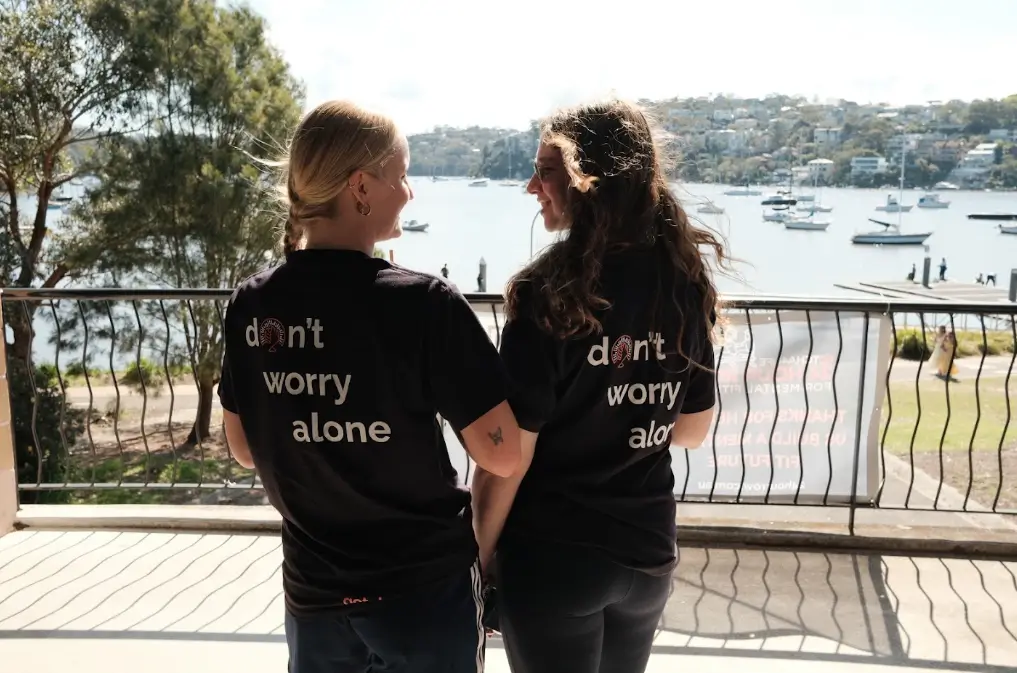
Asking for help isn’t always easy. We might not know what to say, worry our problem isn’t a big enough deal, or feel like we should be able to manage on our own. But often, the hardest part isn’t the conversation itself, it’s getting past our own thoughts that stop us from starting one.
When we put our hands up to ask for help, despite doubts, second-guesses, or the feeling that we should just push through alone, we’re building our mental fitness. We can strengthen our help-seeking muscle by learning how to recognise these thoughts that hold us back and finding simple ways to connect and check-in when we need.
What gets in the way of asking for help
There are common themes that come up when we ask what stops people from reaching out.
"They'll think less of me."
Stigma is loud, even when it isn't true. The fear of being judged is consistently one of the strongest reasons people avoid asking for support, often bigger than the actual problem itself.
"I should be able to handle this myself."
The quiet belief that needing someone else is a sign you've failed at something
"I don't even know where to start."
Sometimes not knowing who to call, what to say, or whether your problem is "big enough" to bring to someone is overwhelming enough to prevent us from speaking up
Often, these thoughts aren’t facts. We can consider them like bricks in a wall, and every one of them can be taken down.
Reaching out builds our help-seeking muscle
Reaching out isn’t a weakness, it’s a strength, even if it might not feel that way at first. Think of it the way you’d think of any other muscle at the gym: it feels heavy to work out the first few times, but it gets easier with practice. Every time you say “actually, I’m not doing great” to someone you trust, you’re building the exact same kind of mental fitness you’d build lifting anything else, resilience, self-awareness, the ability to lean on your village instead of tackling it solo.

Starting the conversation
If you have been putting off reaching out, here are a few conversation openers that might help you get started:
"I've been going through something and I don't want to sit with it by myself anymore."
"Can I talk to you about something? I don't need you to fix it, just to listen."
"I've been telling myself I should handle this on my own, but I don't think that's true anymore."
Head to the free Mental Fitness Gym app and work on building help seeking skills today.
The Mental Fitness Gym doesn’t offer crisis or counselling services, but there are many organisations that do.
- Lifeline — 13 11 14, 24 hours a day
- Beyond Blue — 1300 22 4636
- If someone’s life is in danger, call 000